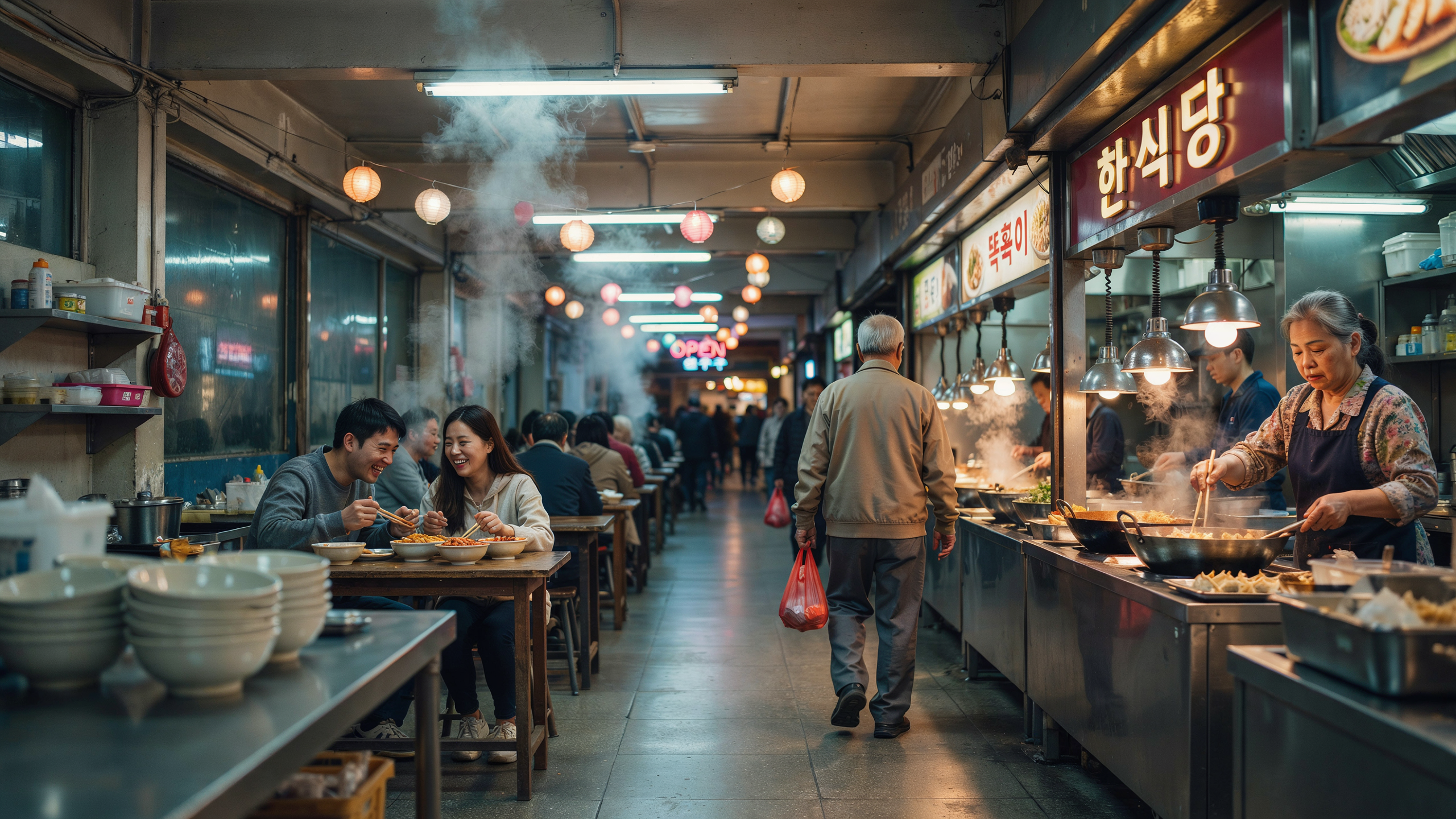
Han Market Da Nang, Chợ Hàn, food court operating hours, street food stalls, central Vietnam culinary, Hai Chau District, closing times, local delicacies, Mì Quảng, Bánh Xèo, food vendor schedules, travel itinerary planning.
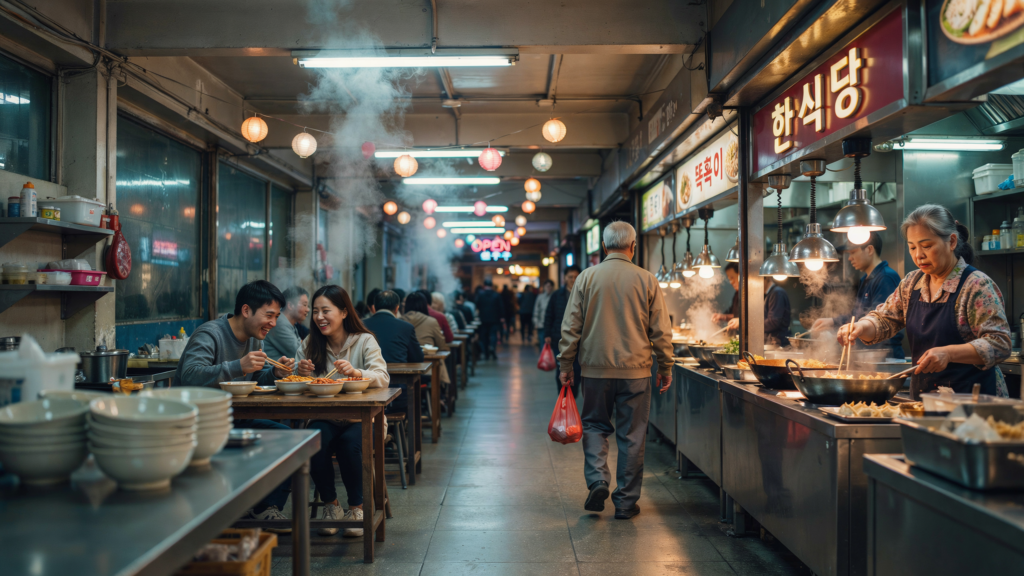
Time Does Food Court Close HAN Market (Chợ Hàn) in Da Nang officially operates from 6:00 AM to 7:00 PM daily. However, most food stalls begin packing up and cleaning by 6:00 PM to 6:30 PM, meaning you should arrive before mid-afternoon for the full culinary experience.
Navigating the vibrant food landscape of Central Vietnam often leads travelers straight to the historic gates of Han Market. Located in the heart of the Hai Chau District, this bustling commercial hub has been a staple of local life since the French colonial era. While the market building itself is famous for its textiles, handicrafts, and souvenirs, its ground-floor food court remains a massive draw for global food enthusiasts seeking authentic Vietnamese flavors.
If you are structuring your travel itinerary, understanding the exact operational nuances of the food vendors is critical. Arriving too late means missing out on legendary dishes, while arriving at peak operational rushes might test your patience. Let’s look closely at the timelines, stall activities, and practical strategies to maximize your dining experience.
While official city tourism boards and government listings frequently state that Han Market is open from 6:00 AM to 7:00 PM (and occasionally up to 10:00 PM for select exterior structural kiosks), the ground-floor indoor food court operates on a slightly tighter schedule.
The lifecycle of an average day at the food court dictates when you can order full meals:
6:00 AM – 8:00 AM (The Dawn Rush): This period is dominated by local residents and early-rising market vendors. The food court is fully functional, specialized primarily in breakfast broths, local coffee, and steaming bowls of noodles.
9:00 AM – 4:00 PM (Peak Operational Window): Every single stall is active. Ingredients are continuously restocked, and the energy is at an all-time high. This is the safest window to ensure no dish on your checklist is sold out.
5:00 PM – 6:00 PM (The Twilight Slowdown): Foot traffic within the main building begins to thin out. While you can still order food, popular stalls may have exhausted their primary proteins or specialized fresh herbs for the day.
6:00 PM – 7:00 PM (The Hard Close): Vendors are actively scrubbing surfaces, washing communal utensils, and packing up dry goods. Attempting to sit down for a complex dish past 6:30 PM is generally discouraged as options become highly restricted.
Unlike standardized modern shopping malls, Han Market is a traditional wet and dry market managed by independent local families. Vendors do not stay open simply because the building’s lights are on. Because fresh ingredients—such as pork shrimp paste, local herbs, and raw seafood—are procured daily at dawn, stalls naturally close down the moment their fresh batches run dry.
To optimize your arrival time according to your culinary goals, consult this breakdown of what to expect at different operational intervals.
| Time Window | Food Court Status | Best For | Crowds & Vibe |
| 6:00 AM – 9:00 AM | Fully Open (Breakfast Focus) | Mì Quảng, local iced coffee, breakfast noodle soups. | Low tourist presence; raw, authentic local workflow. |
| 9:00 AM – 12:00 PM | Peak Performance | Everything. Full menu availability across all stalls. | Highly energetic; bustling with both shoppers and diners. |
| 12:00 PM – 3:00 PM | Open but Intensely Hot | Quick lunches, refreshing fruit smoothies, Avocado Ice cream. | Crowded; interior temperatures peak due to cooking elements. |
| 3:00 PM – 5:30 PM | Afternoon Transition | Mid-day snacks like Bánh Xèo and Nem Lụi. | Moderate crowds; easy to find seating at the narrow metal counters. |
| 5:30 PM – 6:30 PM | Soft Closing Phase | Last-minute orders; limited options. | Stalls actively packing up; sweeping and cleaning in progress. |
| Past 7:00 PM | Completely Closed | None (Transition to external night markets). | Ghost town inside; exterior gates lock down. |
Missing the operating window at Han Market means missing out on some of the most celebrated culinary traditions of Central Vietnam. If you arrive during the prime day hours, prioritize these specific regional dishes:
A true cultural staple of the Da Nang region. Unlike traditional northern pho, Mì Quảng uses wide, flat rice noodles infused with turmeric, giving them a distinct yellow hue. The dish is served with a very small amount of intensely concentrated, rich broth, topped with pork, shrimp, boiled quail eggs, fresh herbs, and a crunchy rice cracker.
These savory, golden crepes are made from rice flour, water, and turmeric powder, fried to a crisp texture in small pans. Stuffed generously with pork belly, whole shrimp, and bean sprouts, they are served alongside fresh rice paper and a mountain of local greens. The trick is to wrap a piece of the crepe inside the rice paper with the herbs, rolling it tightly before dipping it into a rich, specialized peanut and pork liver sauce.
Often ordered alongside Bánh Xèo, Nem Lụi consists of seasoned minced pork paste wrapped around lemongrass stalks and grilled over open charcoal. The smoky aroma fills the food court during the lunch hour rush. You slide the succulent pork off the lemongrass stick directly into your rice paper wraps for an unmatched burst of savory flavor.
To combat the daytime heat inside the building, the dedicated dessert stalls offer refreshing elixirs. Kem Bơ is highly recommended—a rich, buttery blend of fresh local avocado topped with a scoop of coconut ice cream, condensed milk, and crunchy toasted coconut flakes.
To maximize enjoyment and ensure absolute smooth sailing during your food expedition, implement these field-tested tactics:
Bring Physical Cash (VND): Small family-owned food stalls inside the central market do not accept international credit cards or mobile banking apps. Keep small denominations of Vietnamese Dong (such as 10,000, 20,000, and 50,000 bills) handy to make payment quick and easy.
Mind the Mid-Day Heat: The architecture of Han Market dates back decades. While it features wide walkways and natural lighting, it lacks modern central air conditioning. Combined with dozens of active gas burners from the food stalls, the indoor temperatures between 11:30 AM and 2:30 PM can become exceptionally high. Plan early morning or late afternoon visits if you are sensitive to heat.
Confirm the Price Before Ordering: While major scams are rare inside the food court, menu prices can occasionally shift for tourists. Point to the menu board or clarify the exact price per bowl with the vendor verbally before sitting down to avoid any surprise bills at the end of your meal.
Embrace the Communal Counter Culture: Space is limited inside the central atrium. You will likely sit on small plastic stools right at the metal counters of the stalls. Don’t be afraid to squeeze in next to locals; it is part of the traditional market charm.
If your flight was delayed or your daytime tour ran long, and you find yourself standing outside a closed Han Market after 7:00 PM, do not panic. Da Nang has an incredible night-time dining culture within walking distance of the central district.
For late-night cravings, shift your focus to the dedicated night markets across the city. The Son Tra Night Market, located right near the foot of the iconic Dragon Bridge, opens precisely around 6:00 PM and runs until midnight. It offers massive selections of grilled seafood, street snacks, and local drafts in an open-air environment perfect for cooler evening temperatures.
Alternatively, if you prefer a deeply localized culinary environment away from major tourist crowds, check out Con Market (Chợ Cồn). While its interior also closes down in the evening, the exterior perimeter transforms into a famous late-night street food sanctuary packed with local youth.
Yes, Han Market is open daily from Monday through Sunday, maintaining its standard operational hours from 6:00 AM to 7:00 PM. The food court experiences its highest traffic volumes on Saturdays and Sundays due to domestic weekend tourism, so arriving early in the morning is highly recommended to secure counter space.
While the majority of the food court highlights traditional meat and seafood dishes, there are select stalls offering vegetarian alternatives (Chay). Look out for signs stating “Quán Ăn Chay” or ask stall owners for variations of noodles without meat or fish sauce.
The official address is 119 Tran Phu Street, Hai Chau 1 Ward, Hai Chau District, Da Nang, Vietnam. It occupies a massive city block facing four major streets: Tran Phu, Bach Dang, Nguyen Thai Hoc, and Hung Vuong, making it easily accessible by foot, traditional taxi, or ride-sharing applications.
Generally, food court prices are much more rigid and standardized compared to the textile and clothing stalls on the second floor. Most food vendors display clear, laminated menus with prices listed directly in Vietnamese Dong. Haggling over a bowl of noodles is typically frowned upon, though polite negotiation is perfectly acceptable when purchasing bulk quantities of dried specialty goods or packed coffee from the dry retail stalls.
For historical context on the evolutionary trajectory of traditional marketplaces in Southeast Asia, consult comprehensive architectural breakdowns preserved in global academic resources like Wikipedia’s Overview of Da Nang or review tourism metrics curated via Statista’s Global Tourism Analysis.
Powered by Digital AI Tips – All rights reserved.