
A clear, beginner-friendly guide to how online video gaming events work, featuring TheHakEvent. Learn how tournaments are announced, organized, streamed, moderated, and completed—plus how to register, watch, and compete with confidence.
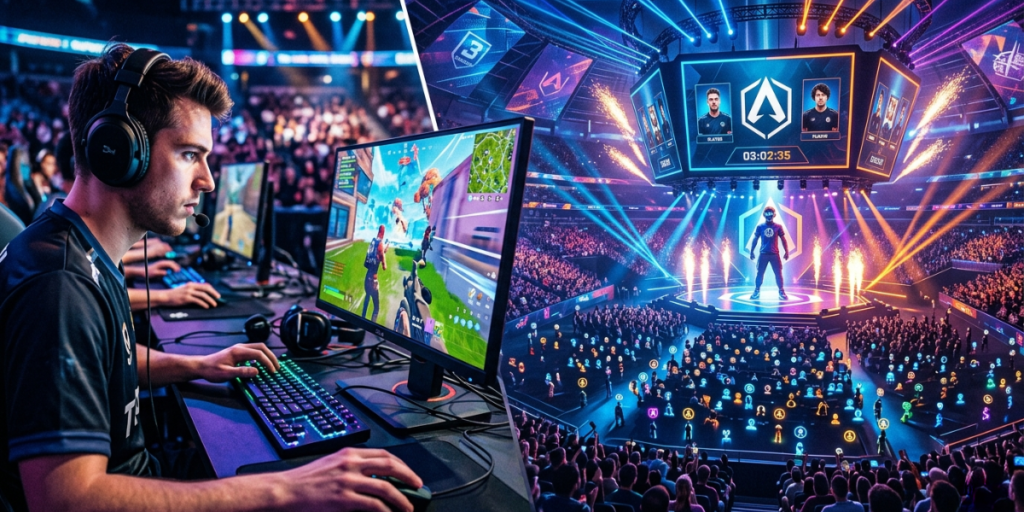
Ever watched a livestreamed tournament and wondered how all those players, brackets, and broadcasts come together? You’re not alone. The world of online gaming events can look chaotic from the outside—but behind every match is a clear, repeatable system.
This guide breaks down exactly how online video gaming events work, from the first announcement to the final results. We’ll use TheHakEvent as a reference point for how a modern events platform connects players, streamers, and fans. By the end, you’ll understand each stage of an event and know how to join, watch, or compete with confidence.
Key Takeaways
- Every event follows four core stages: announcement, organization, livestreamed matches, and results.
- Tournament formats like single-elimination and round-robin decide how players advance.
- Registration is the entry point—read the rules, check time zones, and confirm your setup.
- Streaming and moderation keep matches fair, watchable, and community-friendly.
- Platforms like TheHakEvent centralize schedules, stream links, and beginner guides in one place.
An online gaming event is an organized competition or gathering where players compete or play together over the internet, often watched live by an audience. These range from small weekend community cups to massive esports finals with global viewership.
Unlike a casual match with friends, these events have structure: published rules, set schedules, defined formats, and official results. That structure is what turns scattered games into a true competition.
This is where a hub like TheHakEvent’s online gaming event guide becomes useful. Instead of hunting across forums and social media, players find registration details, stream links, and format explanations in one curated place.
Mini takeaway: Online gaming events are competitions with rules, schedules, and audiences—not just casual play.
Most events, regardless of game or size, move through the same lifecycle. Understanding these stages removes the guesswork for first-timers.
Everything starts with an announcement. Organizers publish the event details: the game, date, format, prize pool (if any), and sign-up link. This is your first touchpoint.
During registration, you’ll typically:
This phase sets expectations. Clear announcements reduce confusion and no-shows later.
Once sign-ups close, organizers seed players and build the tournament brackets. Seeding ranks participants so stronger players don’t meet too early, keeping matches competitive throughout.
The chosen esports tournament format decides how players advance, how many matches they play, and who ultimately wins.
On event day, matches run on agreed servers at scheduled times. Many are broadcast through livestream gaming events on platforms like Twitch or YouTube, complete with commentators and live chat.
Players join lobbies, admins verify results, and the bracket updates as winners advance.
Finally, administrators handle match reporting—recording scores, updating leaderboards, and resolving any disputes. Winners receive prizes or ranking points, and post-event coverage highlights the best moments.
Mini takeaway: Announce, organize, play and stream, then report—every event follows this rhythm.
The format is the engine of any competition. It determines fairness, match count, and how long the event runs. Here’s how the most common formats compare.
Format | How It Works | Best For | Trade-Off |
|---|---|---|---|
Single-Elimination | One loss and you’re out | Fast, large events | Less room for comebacks |
Double-Elimination | Two losses to be eliminated | Balanced fairness | Takes longer to run |
Round-Robin | Everyone plays everyone | Small groups, fairness | Many matches needed |
Swiss | Players face similar-record opponents | Large fields, fewer rounds | No direct knockout drama |
For a deeper breakdown of how these systems work across competitive titles, Liquipedia’s tournament formats reference is an excellent, community-maintained resource.
If you’re organizing, match the format to your goals:
Players benefit too. Knowing the format helps you plan—double-elimination means a single loss isn’t the end, so you can regroup and fight back.
Mini takeaway: The format shapes everything; pick or understand it before the first match.
Ready to compete? Following a clear process prevents last-minute stress and disqualifications. Here’s how to enter an event confidently.
Reader checkpoint: If you’ve confirmed your time zone and tested your setup, you’re already ahead of most first-time entrants.
The spectator experience is a huge part of why online gaming events thrive. Streaming turns a private match into shared entertainment.
Most events stream through Twitch or YouTube. A typical broadcast includes:
For players, streaming offers exposure and the chance to be discovered. For fans, it provides drama, learning, and community connection. Many events also add interactive layers—polls, tipping, or charity drives—that deepen engagement.
This blend of competition and social interaction is what transforms passive viewing into an active, communal experience.
Mini takeaway: Streaming makes events watchable, social, and a launchpad for rising talent.
Behind many successful events is a strong community backbone—and that often means Discord. Organizers use it to announce schedules, coordinate teams, and gather players in one space.
A key tool here is Discord scheduled events, which let organizers plan sessions ahead of time so members get notified when matches go live. According to Discord’s Scheduled Events documentation, hosts can schedule events for voice channels, stage channels, or external locations, and interested members receive a notification the moment the event begins.
For community gaming events, this creates a smooth flow:
This reduces missed matches and keeps casual, grassroots tournaments organized and welcoming.
Mini takeaway: Discord scheduled events keep communities informed, on time, and engaged.
Fair play is non-negotiable. Without moderation, events descend into disputes and frustration. Organizers rely on several safeguards.
Every reputable event publishes a clear rulebook covering match procedures, allowed equipment, and behavior standards. Agreeing to these during registration sets shared expectations.
Live administrators monitor matches, verify results, and step in during disputes. They have the authority to issue warnings, restart matches, or disqualify rule-breakers.
Many events require screenshots, screen recordings, or anti-cheat software to confirm legitimate play. This protects honest competitors and the event’s credibility.
Mini takeaway: Clear rules plus active admins keep competition honest and enjoyable.
The final stage closes the loop. After the last match, organizers confirm results and celebrate the outcome.
This involves:
Strong post-event coverage matters. It rewards participants, builds anticipation for the next event, and gives the community a shared story to celebrate. Platforms that curate these highlights help players relive key moments and help newcomers discover what they missed.
Mini takeaway: A clean wrap-up—results, prizes, and recaps—turns one event into momentum for the next.
First-timers often stumble in predictable ways. Sidestep these to enjoy a smoother experience:
Avoid these and you’ll compete like a seasoned participant from your very first event.
You might be wondering: with so much scattered information, how do beginners keep up? That’s exactly the gap an events platform fills.
A hub like TheHakEvent centralizes what matters—schedules, stream links, format explanations, and beginner-friendly guides—so you spend less time searching and more time playing or watching. It bridges grassroots community cups and professional esports, giving casual players and dedicated fans a single, reliable starting point.
For newcomers especially, having clear explanations of formats, registration steps, and how matches run removes the intimidation factor and opens the door to participation.
Mini takeaway: Curated platforms turn a confusing landscape into an accessible, organized experience.
They follow four stages. First, organizers announce the event and open registration. Next, they seed players and build brackets based on a chosen format. Then, matches run on scheduled servers, often livestreamed with commentary. Finally, admins verify results, distribute prizes, and publish recaps. Each stage has clear rules and timing, which is what separates organized events from casual play.
Not at all. Many events—especially community gaming events—welcome beginners and offer skill-based brackets so you compete against similar players. The key is reading the rules, preparing your setup, and showing up on time. Grassroots tournaments are often designed specifically to help new players gain experience and confidence.
In single-elimination, one loss removes you from the tournament, making it fast but unforgiving. In double-elimination, you must lose twice to be eliminated, giving players a second chance through a “lower bracket.” Double-elimination is fairer and more forgiving but takes longer to run, which is why event size and time often decide which format organizers choose.
Most events stream live on platforms like Twitch or YouTube, with commentary, on-screen brackets, and live chat. You can usually find stream links through the organizer’s page or a curated hub. Simply tune in at the scheduled time, join the chat, and follow the action—no registration required to watch.
Online video gaming events may look complex, but they all run on the same dependable system: announce, organize, play and stream, then report. Once you understand these stages—and the formats, registration steps, and moderation behind them—joining or watching becomes simple and rewarding.
Your next step is easy. Pick a game you love, find an upcoming event through a curated hub like TheHakEvent, read the rules, and either register to compete or tune in to watch. Either way, you’re now ready to be part of the action instead of just wondering how it all works.
Powered by Digital AI Tips – All rights reserved.