
Discover everything you need to know about the upcoming iPhone 18 Pro Max. We break down the rumored design changes, A20 Pro chip, camera upgrades, and market impact.
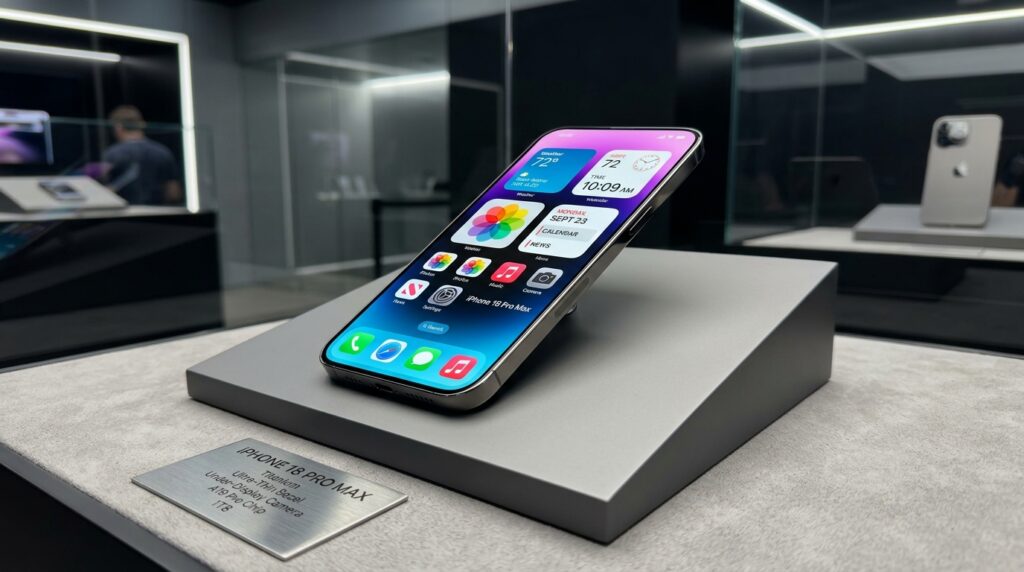
Apple consistently pushes the boundaries of smartphone technology with every release. As we look toward the highly anticipated launch of the iPhone 18 Pro Max, the rumor mill is operating at full capacity. Analysts, supply chain insiders, and tech enthusiasts expect this device to represent a massive leap forward in mobile computing, photography, and artificial intelligence.
You might wonder if you should upgrade your current device or wait for this upcoming flagship. Buying a premium smartphone requires a significant financial investment, and understanding what the next generation offers helps you make an informed decision. The iPhone 18 Pro Max promises to introduce technologies that Apple has spent years developing behind closed doors.
In this comprehensive guide, we will explore the expected specifications, design innovations, and camera upgrades coming to the iPhone 18 Pro Max. We will also examine how this device will likely reshape the premium smartphone market and set new standards for competitors.
Apple has slowly moved toward its ultimate vision of a single, uninterrupted slab of glass. The iPhone 18 Pro Max might finally deliver on that promise by hiding essential components directly beneath the screen.
For years, Apple users have accepted the notch and the Dynamic Island as necessary compromises to house the TrueDepth camera system. Industry insiders suggest the iPhone 18 Pro Max will feature under-display Face ID technology. This innovation moves the infrared sensors and dot projectors below the active pixels of the screen.
When you look at your phone, you will see a massive, edge-to-edge display with only a tiny circular cutout for the front-facing camera lens. This change maximizes your screen real estate for watching videos, playing games, and editing photos. The engineering required to push light through an active display without losing biometric security is staggering, but Apple’s supply chain partners have reportedly perfected the method.
We expect the device to maintain the massive 6.9-inch screen size introduced in previous generations. However, the underlying display technology will likely see a significant upgrade. Apple plans to use advanced OLED panels with micro-lens array (MLA) technology.
MLA technology uses billions of microscopic lenses inside the panel to focus light directly outward. This results in a much brighter screen without drawing additional power from the battery. You will easily read your screen in direct sunlight, and the device will consume less energy during standard indoor use. To track ongoing developments in Apple display technology, you can monitor hardware analysis sites like Display Supply Chain Consultants.
Mechanical buttons eventually fail due to dust, water, and repeated pressing. The iPhone 18 Pro Max will likely replace traditional volume and power keys with solid-state buttons. These buttons do not physically press inward. Instead, they use small haptic motors to simulate the feeling of a click, similar to the trackpad on a modern MacBook.
This design change serves two purposes. First, it completely seals the sides of the phone, making it highly resistant to water and debris. Second, it allows Apple to customize button sensitivity and function through software updates.
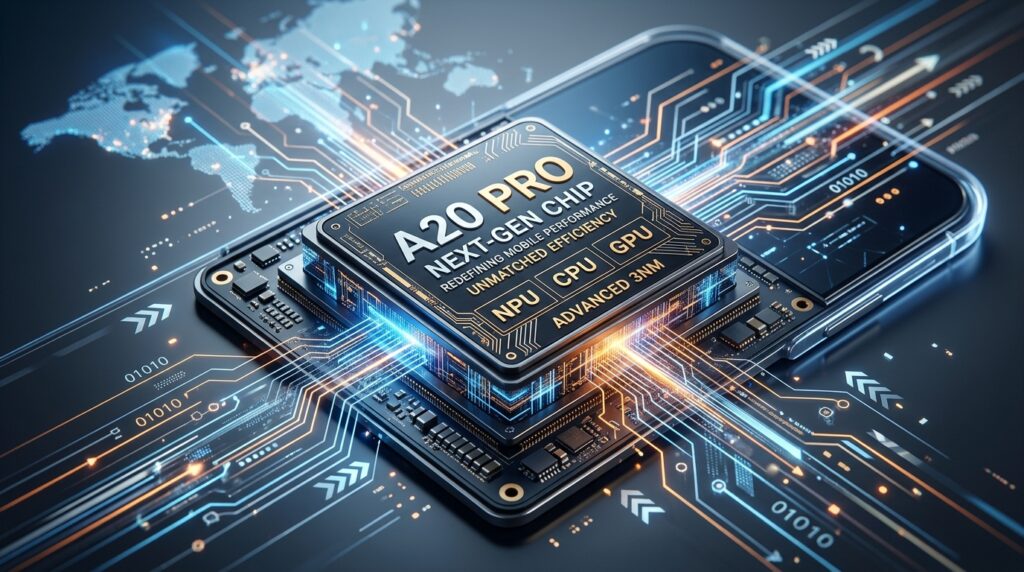
The brain of the iPhone 18 Pro Max is where the most significant technological leap will occur. Apple designs its own silicon, and the upcoming A20 Pro chip will likely break industry records for speed and efficiency.
The A20 Pro chip will be one of the first consumer processors built on a 2-nanometer (2nm) manufacturing process by Taiwan Semiconductor Manufacturing Company (TSMC). In the semiconductor industry, a smaller nanometer number means engineers can pack more transistors into the same physical space.
More transistors translate directly to faster processing speeds and dramatically lower power consumption. The 2nm process allows the iPhone 18 Pro Max to run complex desktop-class applications without overheating. You will experience flawless frame rates in high-end video games and instant rendering times when exporting 4K video files.
Artificial intelligence requires an incredible amount of active memory. Because the iPhone 18 Pro Max will process advanced AI tasks directly on the device, Apple must increase the internal memory.
We expect the device to feature at least 12GB of unified memory. This massive pool of RAM ensures that background applications stay open longer. You can switch between a heavy video editing app, a complex spreadsheet, and a graphics-intensive game without any apps forcing you to reload.
Powerful chips generate heat. If a phone gets too hot, the processor slows down to protect itself. To manage the massive power of the A20 Pro, Apple will likely introduce a new thermal management system.
Rumors point to a graphene thermal system combined with a metal battery casing. Graphene conducts heat far better than the copper materials used in older devices. This system pulls heat away from the processor and distributes it evenly across the back of the phone, allowing the A20 Pro chip to maintain peak performance for extended periods.
The “Pro Max” moniker always promises the best camera system Apple can build. The iPhone 18 Pro Max aims to blur the line between a smartphone and a dedicated professional camera.
Traditional smartphone cameras use a fixed aperture. This means the hole that lets light into the sensor always stays the same size. The iPhone 18 Pro Max is expected to introduce a variable aperture on its primary 48-megapixel camera.
A variable aperture allows the camera lens to physically open wider in dark environments to capture more light. In bright sunlight, the aperture closes slightly to keep the image sharp and focused. This mechanical flexibility gives you total control over the depth of field. You can create natural, optical background blur for portraits without relying entirely on software algorithms.
Apple recently introduced a tetraprism lens to achieve 5x optical zoom. The iPhone 18 Pro Max will build upon this foundation by upgrading the telephoto sensor. We anticipate a new 48-megapixel sensor paired with an extended zoom range.
This upgrade means you can zoom in on distant subjects—like a performer at a concert or wildlife on a hike—without losing image quality. The larger sensor captures more detail, and the improved optical image stabilization ensures your zoomed-in photos remain crisp, even if your hands shake slightly.
Hardware only solves half the photography equation. The A20 Pro chip features a massive Image Signal Processor (ISP) that uses artificial intelligence to analyze every photo you take.
When you press the shutter, the camera actually captures multiple frames at different exposures. The ISP instantly analyzes these frames, identifies faces, understands the lighting conditions, and merges the best elements into one perfect image. For the iPhone 18 Pro Max, this processing happens in fractions of a second, resulting in photos with perfect skin tones, rich shadows, and vibrant colors.
Hardware means nothing without exceptional software. The iPhone 18 Pro Max will launch with iOS 20, an operating system built from the ground up to integrate Apple Intelligence into every facet of your digital life.
Apple Intelligence will move beyond simple text generation and image creation. On the iPhone 18 Pro Max, AI will understand your personal context. The device will securely index your emails, messages, calendar events, and photos.
You can ask Siri complex, multi-step questions. For example, you can say, “Pull the flight details from the email my brother sent last week, cross-reference it with the traffic to the airport, and text him my estimated arrival time.” The phone handles the entire sequence locally, ensuring your private data never leaves the device.
Privacy remains a core pillar of Apple’s philosophy. While competitors rely on cloud servers to process complex AI requests, the iPhone 18 Pro Max uses the neural engine inside the A20 Pro chip to do the heavy lifting locally.
This on-device processing guarantees that Apple never sees your personal requests. It also means you can use advanced AI features even when you do not have an active internet connection. You can summarize long documents, translate spoken conversations in real-time, and edit photos while sitting on an airplane without Wi-Fi. You can read more about privacy standards and digital security on platforms like the Electronic Frontier Foundation.
All these advanced features demand a robust power source. Apple plans to introduce new battery technology to keep the iPhone 18 Pro Max running all day.
The device will likely utilize stacked battery technology. This manufacturing technique folds the internal battery cells in a zigzag pattern, eliminating wasted space inside the casing.
By using stacked cells, Apple can fit a higher capacity battery into the exact same physical space. This translates to significantly longer battery life. You can shoot 4K video all afternoon, navigate using GPS, and play games on your evening commute without anxiety about your phone dying.
Consumers consistently ask for faster charging speeds. The iPhone 18 Pro Max is expected to support advanced wired charging via its USB-C port, potentially reaching speeds of 40 watts or higher.
Furthermore, Apple will update the MagSafe wireless charging system. We expect enhanced magnets for a stronger grip and improved internal coils that allow for faster wireless energy transfer. You can drop your phone on a charging pad and get a substantial battery boost in just a few minutes.
The launch of a new iPhone Pro Max always sends shockwaves through the consumer electronics industry. The iPhone 18 Pro Max will set the standard that every other manufacturer must follow.
When Apple introduces a major new technology, the entire industry shifts. Samsung, Google, and other major Android manufacturers will have to accelerate their own development cycles to compete with the 2nm A20 Pro chip and the variable aperture camera system.
If Apple successfully implements under-display Face ID, you will see a massive rush from competitors to eliminate camera cutouts entirely. This intense competition benefits consumers. It drives innovation forward and eventually forces these premium features down into cheaper, mid-range smartphones.
Creating cutting-edge technology requires massive investments in research and development. Because of the advanced 2nm silicon and the expensive new camera hardware, the iPhone 18 Pro Max will likely see a price increase over previous generations.
Apple positions the Pro Max as a luxury, professional tool. This pricing strategy cements the device at the very top of the ultra-premium smartphone market. Consumers who buy this phone view it as a long-term investment. Because the hardware is so advanced, the device will easily last four to five years without feeling sluggish or outdated.
The iPhone 18 Pro Max shapes up to be one of the most significant upgrades in Apple’s recent history. By focusing on a truly uninterrupted display, mechanical camera innovations, and the raw power of a 2-nanometer processor, Apple aims to deliver a device that redefines mobile computing.
The integration of advanced, on-device artificial intelligence will fundamentally change how you interact with your technology. You get the benefits of a powerful digital assistant without sacrificing your personal privacy. Meanwhile, the robust battery technology ensures you have the power to utilize these features all day long.
If you currently use an older iPhone model, the iPhone 18 Pro Max represents the perfect upgrade path. It offers a massive leap in speed, camera quality, and software capabilities. As the release date approaches, the technology world will watch closely to see exactly how Apple executes this ambitious vision.